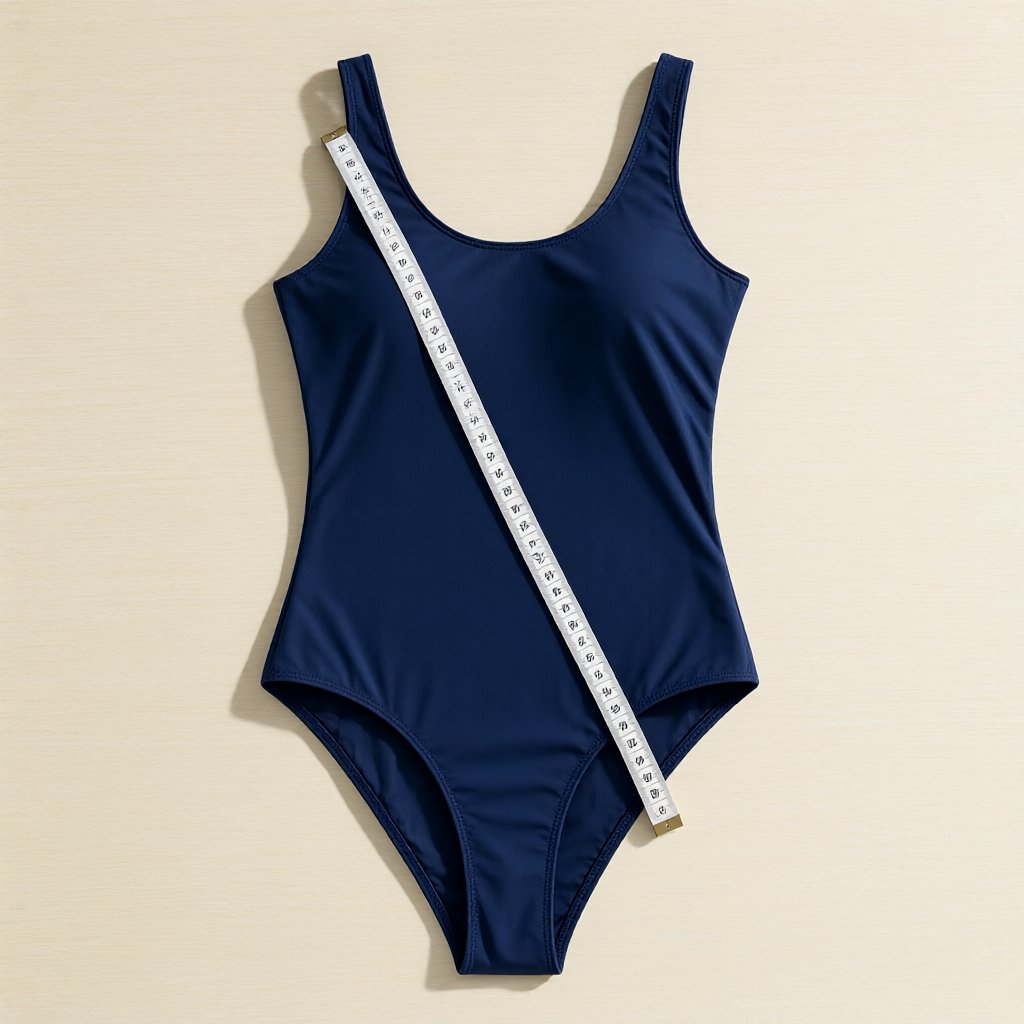
Functional plus size swimwear depends on three structural factors: torso length accommodation, underbust support integrity, and inner thigh chafing prevention. Standard size charts prioritize circumference measurements and ignore vertical proportions, resulting in garments that ride up at the hips or pull down at the shoulders. Identifying functional swimwear requires evaluating specific construction elements rather than relying on nominal size labels.
Torso Length and Vertical Stretch
Swimwear ride-up occurs when the garment lacks sufficient vertical length to span the distance from the shoulder line to the crotch seam. A longer torso requires additional fabric length in the front and back panels. Standard one-piece suits often measure 2 to 4 inches shorter in the torso than required for a plus frame, causing the suit to pull downward when the wearer raises their arms or walks.
Measure torso length by running a soft tape measure from the hollow of the throat, down the front center, between the legs, and up the back center to the base of the neck. Compare this total measurement against the garment's center back to crotch seam length, adding a minimum of 2 inches for movement ease. Suits with front ruching or shirring provide adjustable vertical length, as the gathered fabric stretches to accommodate a longer torso without tension.
Vertical stretch recovery determines whether the suit maintains its length after repeated wet wear. A blend of 80 percent nylon and 20 percent spandex provides adequate vertical elasticity. Test the fabric by pulling a 4-inch section vertically to its maximum length and releasing it. Recovery to the original length within 5 seconds indicates sufficient structural integrity to resist permanent stretching and subsequent ride-up during wear.
Bust Support Structure
Swimwear bust support relies on the underbust band and the cup construction, not the shoulder straps. Shelf bras with a simple elastic underband lack the anchoring force required for larger busts, allowing the band to shift upward during movement. A firm, non-stretch underbust band measuring at least 1.5 inches in width anchors the bust and distributes weight across the ribcage. The band should fit tightly on the loosest hook setting, allowing only two fingers of vertical ease under the elastic.
Encapsulation cups with side boning provide horizontal stability and forward projection. Boning channels stitched into the side seam prevent the cup from collapsing outward, which causes lateral spillage. The underwire, if present, must sit flat against the sternum without digging into the breast tissue. Wire channels should be encased in fabric tubes with a minimum of 0.25 inches of padding to prevent rib pressure during torso rotation.
Shoulder straps on plus size swimwear must distribute load without digging into the trapezius muscles. A strap width of 0.75 inches or wider prevents localized pressure. Adjustable sliders allow the wearer to position the bust apex correctly within the cup. Test strap security by pulling the strap upward from the midpoint; a properly anchored strap will lift the underbust band rather than pulling the cup fabric away from the chest wall.
Thigh Chafing and Inner Liner Construction
Thigh chafing occurs when wet skin rubs against wet skin or against the suit's leg opening elastic. Standard swimsuit leg openings feature thin elastic encased in narrow hems, which rolls and digs into the thigh crease during walking. A wider leg opening with a minimum 1-inch elastic band distributes pressure and reduces the chance of skin irritation. The leg opening should sit fully within the thigh crease without overlapping onto the inner thigh surface.
Inner shorts liners provide a physical barrier between the thighs. A liner constructed from a nylon-spandex blend with flatlock seams prevents friction at the inner thigh contact point. The liner must extend at least 3 inches down the inner thigh from the crotch seam to remain in place during a full stride. Avoid liners made of cotton or unlined mesh, as these materials absorb water and increase surface drag and friction.
Skirted silhouettes and swim dresses require a fully attached inner brief rather than a free-hanging skirt overlay. A free-hanging skirt allows water flow to push the fabric between the thighs, negating any chafing protection. The attached inner brief must feature the same 1-inch wide leg elastic and inner thigh liner coverage as a standard one-piece suit to maintain a continuous friction barrier.
Fabric Weight and Chlorine Resistance
Swimsuit fabric weight determines opacity and structural longevity. A fabric weight below 6 ounces per square yard becomes transparent when wet and loses shape retention. Select fabrics rated at 7 to 8 ounces per square yard for plus frames. Higher thread counts resist pilling and maintain compression across the torso and bust without bagging at the seat or underbust.
Chlorine and saltwater degrade spandex fibers, causing the garment to lose its stretch recovery. Look for fabric blends labeled as chlorine-resistant, which typically use a higher percentage of polyester or a specialized spandex variant like Xtra Life Lycra. These blends maintain their elastic modulus for up to 200 hours of pool exposure, compared to 40 hours for standard nylon-spandex blends. Rinse the suit in cold tap water within 20 minutes of leaving the water to remove chemical residues and extend the fabric's structural life.
Suit Selection and Fit Verification Checklist
Check torso ease by raising both arms overhead; the crotch seam must remain in place without pulling downward. Verify bust support by jumping in place; the underbust band should not shift upward, and the bust apex must remain within the cup coverage area. Assess thigh clearance by taking a full walking stride; the inner liner must stay in contact with the inner thigh without rolling or exposing skin. Confirm fabric opacity by wetting a small hidden area with tap water; the fabric must remain fully opaque against a contrasting background.
Examine the center back seam for reinforced stitching, as this area bears the highest tension during torso flexion. Check all strap sliders for metal or high-density plastic construction; thin wire sliders bend under load and lose adjustment tension. Verify that all elastic encasements have topstitching along both edges to prevent rolling during wear. Wash the suit in cold water on a gentle cycle before the first wear to set the fibers and reveal any pre-existing construction weaknesses in the seams.