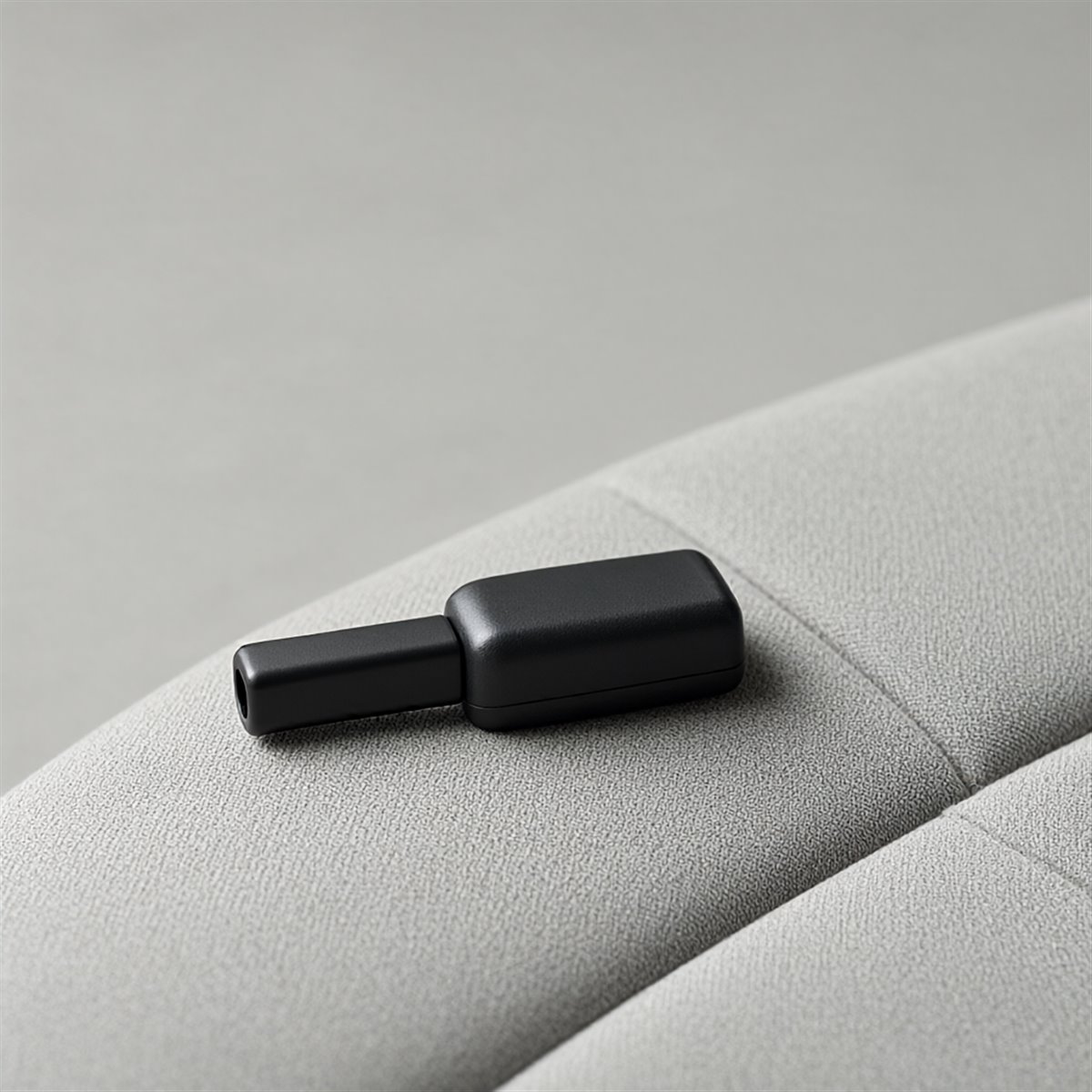
Standard vehicle seat belts are designed around an average torso depth and hip width, which causes misfit for larger bodies. The lap belt rides up onto the soft abdomen instead of sitting low on the pelvic bones, and the shoulder strap crosses the neck rather than the center of the collarbone. A proper fit requires measuring the gap between the existing latch and the buckle receiver, selecting an extender with the correct hardware type, and physically redirecting the belt geometry so the webbing rests on bone structure.
Diagnosing Seat Belt Misfit in Vehicles
The primary indicator of a misfit seat belt is the lap portion of the belt resting on the stomach rather than the hips. During sudden deceleration, a belt positioned over soft tissue allows internal organ compression and skeletal misalignment. The correct position for the lap belt is flat and low, snugged against the upper thighs and the hip bones.
The shoulder strap presents a secondary misfit when it makes contact with the neck or face. A strap rubbing against the neck causes chafing and leads occupants to place the belt under their arm or behind their back, which removes upper body restraint. The shoulder belt must cross the middle of the collarbone and lay flat across the chest.
Vehicle seat belt geometry is fixed to the B-pillar and lacks adjustment slides. Larger torsos push the buckle receiver deeper into the center console or seat crease, shortening the available webbing reach. A gap forms between the latch plate and the receiver, preventing connection without an extension device.
Measuring for the Correct Extender Length
Seat belt extenders bridge the physical gap between the latch plate and the buckle receiver. Extender length ranges from 3 inches to 12 inches. Selecting an extender that is too long pushes the buckle into the abdomen, recreating the misfit the extender was meant to solve. Selecting one that is too short fails to close the connection.
To measure the required length, sit in the standard driving or riding position. Pull the existing latch plate across the body and note the distance between the latch plate hole and the buckle receiver slot. Add one inch to this measurement to provide adequate slack for the buckle to lie flat without twisting. This final number is the minimum extender length.
Extenders feature rigid metal stalks of a set length, not adjustable webbing. A 6-inch extender is the most common midpoint for plus-size occupants, moving the buckle receiver outward past the hip. If the measured gap is 5 inches, a 6-inch extender positions the buckle over the hip bone, allowing the webbing to angle downward onto the thighs.
Matching Extender Hardware and Latch Types
Vehicle manufacturers use distinct latch plate and receiver shapes. An extender must match the specific tongue width, thickness, and locking mechanism of the vehicle receiver. A mismatched extender latches physically but fails to lock under tension, allowing the belt to spool out during a collision.
Identify the vehicle seat belt style before purchasing an extender. Style A features a rectangular latch plate with a narrow slot, common in older domestic vehicles. Style B has a wider, flared latch plate with a beveled edge, standard in many imported vehicles. Style C uses a flexible, sewn latch plate that slides on the webbing. Style D resembles Style A but includes a reinforced metal collar around the slot.
Compare the existing latch plate on the vehicle belt against the diagram provided by the extender manufacturer. Measure the width of the latch plate in millimeters. The extender receiver must match this width and accept the latch plate with zero lateral play. Extenders are manufacturer-specific; a universal extender does not exist for rigid stalks.
Adjusting Shoulder Belt Position and Angle
An extender repositions the buckle, which changes the angle of the shoulder belt. If the extender pushes the buckle too far forward, the shoulder belt angle steepens, pulling the strap tighter against the neck. If the buckle sits too low, the shoulder strap lacks tension across the chest.
Shoulder belt height adjusters located on the B-pillar offer a mechanical solution. Lower the anchor point to route the strap over the top of the shoulder rather than across the neck. If the vehicle lacks a height adjuster, a shoulder belt clip or retractor loop redirects the strap. Attach the clip to the webbing above the shoulder and fasten it to the B-pillar coat hook or headrest post to pull the belt outward and away from the neck.
Test the adjusted shoulder strap by leaning forward and backward in the seat. The webbing must remain flat against the collarbone and chest without slipping off the shoulder or cutting into the neck. The retractor should lock when pulled sharply, confirming the mechanism remains functional despite the altered routing.
Routing the Lap Belt Over Hips and Thighs
Extenders shift the buckle location, but the occupant must still route the lap belt manually. After latching the extender, grasp the lap portion of the webbing at the hip and pull it downward and forward. This motion forces the belt to sit flat against the upper thighs and below the abdominal shelf.
Check the buckle position after routing. The buckle must lie flat against the hip bone or thigh, not tilted or suspended in midair over the stomach. A suspended buckle indicates the extender is too long or the lap belt lacks sufficient tension. Push the buckle down toward the seat cushion until it rests on the hard structure of the hip.
Eliminate webbing twists in the extender stalk and the main belt. A twisted webbing reduces the effective width of the belt from two inches to the thickness of the fabric, concentrating crash forces into a narrow rope-like edge. Flatten all twists at the anchor points, the D-ring, and the buckle receiver before driving.
Seat Belt Fit Verification Checklist
Verify the lap belt sits flat and low on the upper thighs, below the soft abdomen. Confirm the shoulder belt crosses the center of the collarbone without touching the neck. Check the extender buckle lies flat against the hip without tilting or suspending the belt over the stomach. Ensure the extender latch plate locks firmly into the vehicle receiver with no lateral movement. Test the retractor lock by giving the shoulder belt a sharp pull to confirm the mechanism engages. Inspect the full length of the webbing for twists or folds that reduce the belt width.