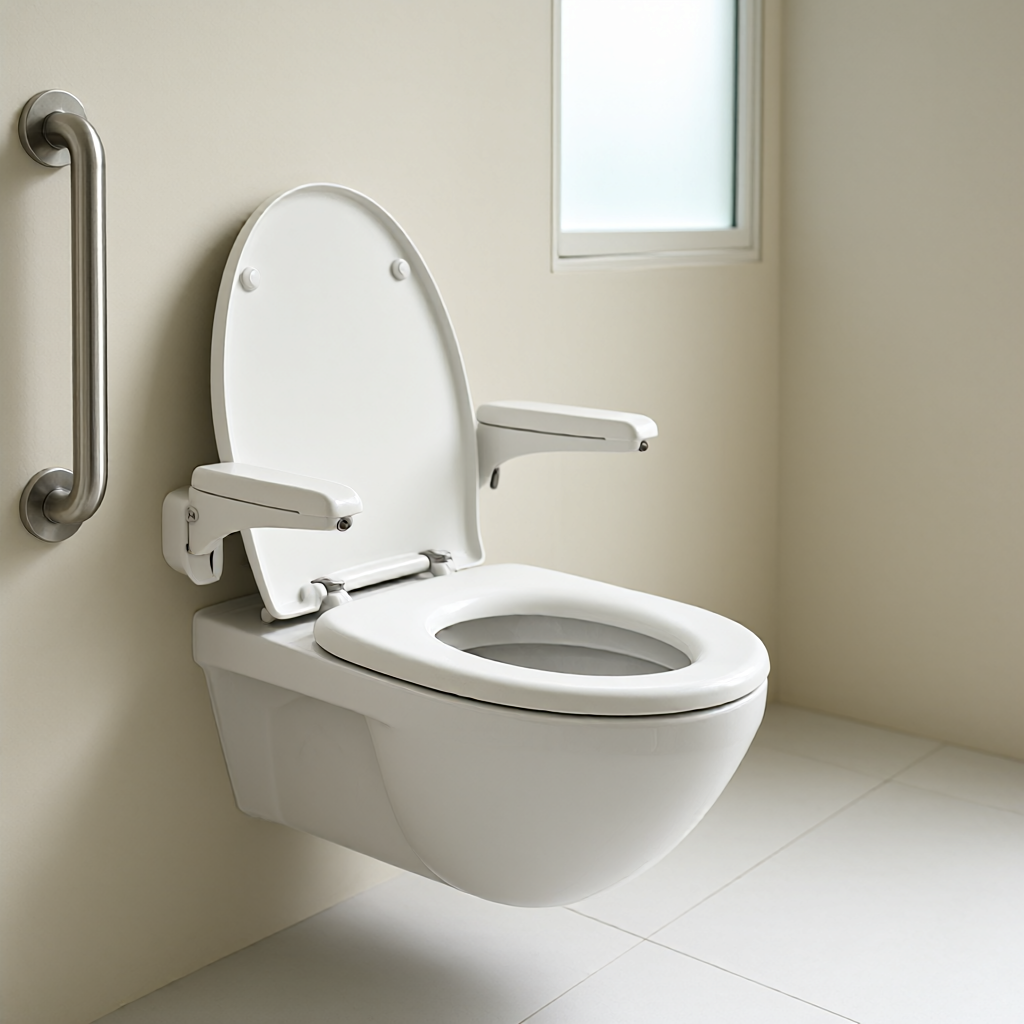
Choosing a toilet or commode chair for a plus-size user hinges on three structural factors: weight rating, seat opening size, and rise support. Standard residential fixtures fail when weight exceeds 300 pounds or hip width surpasses 18 inches, causing structural collapse or entrapment. Bariatric-grade equipment addresses these limits through reinforced frames, wider apertures, and elevated seats that reduce knee flexion during sitting and standing.
Weight Rating: Static Capacity Versus Dynamic Load
Manufacturers list a static weight capacity, which reflects the maximum load the chair sustains without movement. A user shifting weight or lowering onto the seat generates dynamic load, creating momentary force that exceeds static body weight by 20 to 50 percent. A chair rated for 400 pounds static capacity safely supports a user weighing up to 300 pounds during normal movement. Select a chair where the stated weight capacity is at least 1.5 times the user’s body weight to accommodate dynamic shifts.
Frame construction dictates weight capacity. Steel tubing with a wall thickness of 1.5 millimeters or greater supports ratings above 500 pounds. Aluminum frames reach similar ratings only with reinforced welds and cross-bracing at the legs. Inspect the junction where the backrest meets the seat frame; bolted connections with steel reinforcement plates outperform welded-only joints under heavy lateral stress.
Leg tips and floor interface affect stability under load. Rubber tips with a wide base diameter prevent sinking into carpet or sliding on tile. For users over 400 pounds, commode chairs with leveling bolts at the feet adjust for uneven floors, preventing the frame from rocking and placing unequal stress on one side of the welds.
Seat Opening Size: Inner Width and Depth Clearance
Seat opening size determines hygiene access and skin safety. The inner width of the seat opening—measured between the two inner edges of the horseshoe or oval cutout—must exceed the user’s widest hip measurement by at least 2 inches on each side. A user with 24-inch hip width requires a minimum inner opening of 28 inches. Standard commode openings measure 9 to 12 inches across, which causes lateral thigh compression and tissue breakdown for larger users.
Opening depth, measured from the front edge of the seat to the back crossbar, affects perineal access. Insufficient depth forces the user to sit too far back, making cleansing difficult and increasing moisture against the skin. Bariatric commode seats feature extended depths of 14 to 16 inches, compared to the 10-inch depth of standard models. Measure the distance from the user’s sacrum to the posterior aspect of the scrotum or perineum to confirm adequate front-to-back clearance.
Seat pad thickness influences the effective opening size. Foam cushions compress under weight, and thick pads with narrow cutouts collapse inward, reducing the usable aperture. If using a padded seat, verify the opening dimensions while applying downward force to simulate compression. Cutout edges require a smooth radius of at least 1 inch to prevent skin shear during transfers.
Rise Support: Seat Height and Armrest Mechanics
Rise support comes from seat elevation and armrest structure. Standard toilet height sits 15 inches from the floor, requiring deep knee flexion that stresses hip and knee joints. Elevating the seat to 19 to 21 inches reduces the angle of knee flexion, decreasing the muscular force needed to stand. For users with limited hip flexion, a seat height that places the knee at a 90-degree angle while seated provides the optimal mechanical advantage for rising.
Armrests provide the primary upward leverage for standing. Fixed armrests on bariatric commodes must support the full downward force of a user pushing off. Armrests constructed from continuous steel tubing with a diameter of 1 inch or more withstand this force without bending. Padded grips with a non-slip surface prevent hand slippage when bearing weight.
Drop-down or removable armrests facilitate lateral transfers from wheelchairs. The hinge mechanism on drop arms is a common failure point under heavy load. Hinges constructed from cast steel rather than stamped metal sustain higher shear forces. Test the locking mechanism by applying downward pressure on the raised armrest before using it for weight-bearing support.
Toilet Riser Versus Freestanding Commode Selection
Toilet risers attach to an existing toilet bowl, while freestanding commodes operate independently. Toilet risers rely on the structural integrity of the porcelain bowl and the floor flange. Porcelain toilets carry a weight limit dictated by wall-hung or floor-mounted design; floor-mounted tanks crack under weights exceeding 500 pounds. For users over 350 pounds, a freestanding commode provides a safer alternative because the frame transfers weight directly to the floor rather than the porcelain.
Freestanding commodes positioned over a toilet require precise alignment of the commode bucket or seat opening with the bowl beneath. Measure the base footprint of the commode frame to ensure it fits within the clearance around the existing toilet. Frames with an open front design allow the user to approach the seat from a wheelchair without navigating around the frame legs.
Bucket capacity on freestanding commodes affects maintenance frequency. Standard buckets hold 7 to 9 liters, requiring frequent emptying for users with higher output. Bariatric commode buckets feature 12-liter capacities and wider rims that prevent splash-over during use. Ensure the bucket slides out from the side rather than the front if the user requires caregiver assistance, as front-removal requires the caregiver to reach past the user’s legs.
Backrest Support and Frame Geometry
Backrests on commode chairs provide trunk stability but interfere with posterior perineal access if placed too close to the seat opening. A backrest positioned 2 to 3 inches behind the posterior pelvic rim allows the user to lean back while maintaining access for hygiene. Backrest height should reach the mid-thoracic spine to support upper body weight without restricting shoulder movement.
Frame geometry determines the center of gravity when seated. Frames with a wider base than the seat width prevent tipping when the user shifts weight laterally. The angle of the front legs affects knee clearance; legs that taper inward restrict space for larger calves. Measure the distance between the front legs at the floor and compare it to the user’s calf width to confirm adequate legroom.
Wall-mounted grab bars supplement commode armrests but do not replace them. Install vertical grab bars 36 inches high on the wall adjacent to the toilet, positioned 12 inches from the centerline of the toilet. These bars assist with the initial standing phase, while the commode armrests provide support during the final rise.
Purchase Verification Checklist
Verify the following specifications before finalizing a toilet or commode chair purchase for a plus-size user. Check the static weight rating and multiply the user’s body weight by 1.5 to confirm the rating meets or exceeds this number. Measure the user’s widest hip point and add 4 inches to determine the minimum required seat opening inner width. Measure the distance from the floor to the back of the user’s knee while seated at 90 degrees to set the target seat height.
Inspect the armrest construction material and confirm it uses continuous steel tubing with a diameter of at least 1 inch. Verify the hinge locking mechanism on drop-down arms by applying 50 pounds of downward force. Check the frame base width to ensure it extends beyond the seat width on both sides for tip resistance. Confirm the commode bucket capacity meets the 12-liter threshold for reduced maintenance frequency.