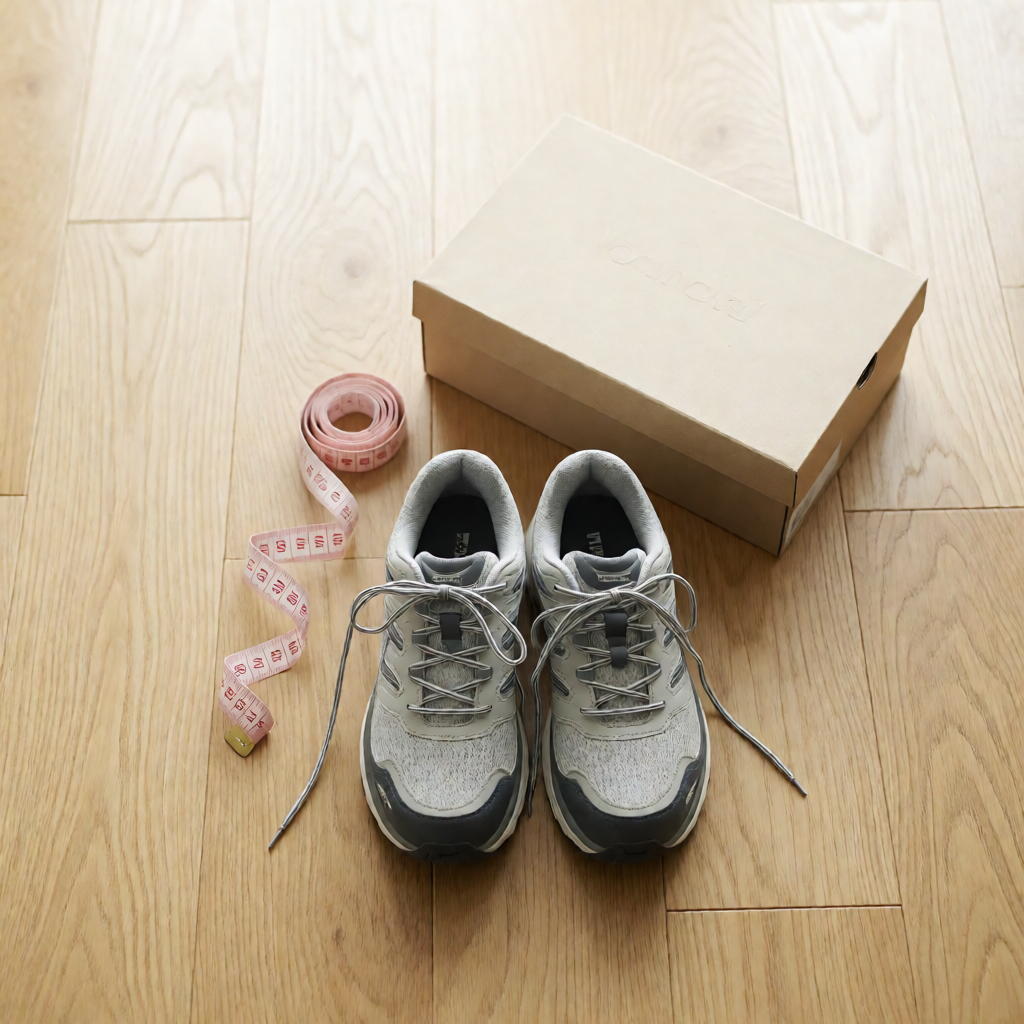
Wide feet are a common issue for people with larger bodies, and the problem is not just about width. Extra body weight increases the load on the foot, causing the arch to flatten and the foot to spread further during the day. A shoe that fits in the morning may feel tight by evening. The right shoe must account for both the static width and the dynamic expansion that happens when you stand or walk.
Why Width Is Only the First Check
Most people measure foot length, but width matters more for comfort. A standard width is around 3.5 inches at the ball of the foot for men and 3.2 inches for women, but plus size feet often measure 4 inches or more. Many brands label shoes as wide or extra wide, yet those labels vary by manufacturer. The same size 10 wide from one brand can be narrower than a size 9 regular from another. The practical approach is to trace your foot on paper, measure the widest point, and compare it to the shoe's internal width. A good shoe should have at least a quarter inch of extra space on each side. Do not rely on the printed width label alone. Always test the shoe by standing and pressing your thumb on the side of the toe box; if you feel the edge of your foot touching the material immediately, the shoe is too narrow.Toe Box Shape and Material Flexibility
A pointed or tapered toe box compresses the toes even when the shoe is marked wide. Look for a rounded or square toe shape that allows the big toe to point straight ahead. The shoe should not force the toes to angle inward. When you stand, your toes should be able to wiggle slightly inside the shoe without rubbing against the side. Material matters more than the width number. Stiff leather or synthetic uppers do not stretch much, and they can create pressure points over the top of the foot. Soft leather, mesh, or knit fabrics conform to the foot shape and allow for natural expansion. Avoid shoes with rigid side panels or internal plastic supports in the toe area. These can cause blisters and calluses on the outer edge of the foot.Arch Support and Heel Stability for Heavier Loads
Extra weight increases the force on the arch, which means a flat insole will not provide enough support. A shoe with a removable insole allows you to insert a custom or high-quality over-the-counter orthotic. Look for an insole with a firm arch support that does not collapse under pressure. A soft foam insole may feel comfortable in the store but will compress within a few weeks. The heel counter, the stiff part at the back of the shoe, must be firm. Press on the back of the shoe; if it collapses easily, it will not stabilize your heel during walking. A loose heel causes the foot to slide forward, which leads to toe jamming and heel blisters. The heel counter should hold your heel in place without squeezing it. A heel width that is too tight can cause pain at the back of the foot, while a heel that is too loose will not provide the necessary control.Lacing Systems and Adjustable Fit
A lace-up closure offers more adjustability than a slip-on or a strap. For a high instep, which is common in plus size feet, laces allow you to loosen the top of the shoe without losing width. Look for shoes with multiple eyelets and a tongue that is not sewn shut. This lets you create a custom fit for the instep while keeping the width adequate. A lacing system that spreads pressure evenly across the top of the foot reduces the risk of irritation. Avoid shoes with a single central strap that can dig into the instep. Instead, choose a design with two or more straps or a traditional lace pattern. When you tie the laces, the shoe should not create a deep crease across the top of your foot. If it does, the instep is too high for that model.Outsole Traction and Shock Absorption
The outsole should have a rubber or similar material with a textured pattern for grip. Smooth plastic soles can be slippery on wet or polished surfaces. For a heavier person, the outsole also needs to provide shock absorption. Look for a midsole made of EVA foam or a similar material that returns energy without collapsing. A thin sole offers little cushioning and transfers the impact directly to the heel and knee. The outsole should also be flexible at the forefoot. Bend the shoe in your hands; the front should flex easily at the ball of the foot. A stiff outsole forces the foot to work harder and can lead to foot fatigue. However, the shoe should not be so flexible that it bends in the middle of the arch. The flex point should be at the forefoot, not at the midfoot.Specific Shoe Types and Their Fit Characteristics
Running shoes often use a wider toe box and a flexible knit upper, which suits daily wear. Walking shoes carry a stiffer heel and a more structured fit for long periods of standing. Casual sneakers vary widely; some keep a narrow silhouette even in wide sizes, so internal width matters more than the label. Dress shoes are the hardest category, since many have a tapered toe and a low vamp that presses on the top of the foot; a rounded toe and a higher vamp ease that pressure, and leather can be stretched by a cobbler only about half a size in width. Boots add the shaft: a wide foot section may still come with a narrow shaft, so a stretch panel or a laced shaft allows adjustment.